


The Resume study began as a follow on from Dr Simon Walker’s focus on historic suicide for the British Military. This research is due for publication in 2024 as part of Silent Voices: A century of Military Suicide 1900-2020 by Palgrave MacMillan. This research allowed Simon to develop risk recognition patterns which identified suicidal ideation, potential suicidal action, and propensity towards suicidal action as influences by factors such as age, gender, occupation, truma, and socio-economic status.
After moving into Occupational Health Research as part of the Healthy Working Lives Group in 2021 Simon continued to link his expertise in Suicide research with his new role in medicalised intervention and research. This, combined with a number of invaluable links with colleagues in Napier, Strathclyde, and Northumberland Universities allowed for the development of the Resume Project.

Why Nursing Suicide?
The demanding nature of the nursing profession, coupled with the high levels of stress, can unfortunately take a toll on the mental health of nurses. It is important to recognize and address the factors that contribute to nurses experiencing suicidal thoughts.
In 2019 the British national press reported that over 300 nurses had completed suicide in the last 7 years. This piece was backed up with evidence that the suicide rate in nurses was 23% higher than the national average, with nursing staff across all care positions believed to be economically disadvantaged as result of years of austerity, and mounting job pressures and responsibilities. One of the potentially key factors surrounding these pressures is the decreasing number of nursing staff and qualifying nurses. In 2021 NHS Education for Scotland reported that the national shortfall for required qualified nurses was over 3400 vacant positions, putting significant strain upon existing nursing staff across a range of positions within NHS and private healthcare settings. During the Pandemic, nursing requirements rose so high that student nurses, from their second year of education were drafted in to cover support roles; despite their lack of experience or sufficient clinical preparation. Given the associated mental health risks associated with the high-pressure role of nursing, and the pre-established links between suicide, mental health issues, and nursing; this research study will conduct a mixed method design investigation into nursing suicide and related mental health issues within Scotland over a 40-year period (1980-2022) to determine the extent of suicide related experiences of nurses and develop augmented interventions to prevent suicides and support mental health for nurses in the future. By 2023 many current long service career nurses have trained and developed over the last 40 years and as a result will have detailed and unique experience associated with the pressures of the role and potential mental health related factors. These professionals will have experienced the significant changes in nursing professional practice and responsibly over the last 4 decades, and therefore can provide a detailed understanding of the lasting pressures associated with the role.

The reasons for Nurse suicide are varied and demand further investigation and research:
One possible factor is burnout. Nurses often work long hours, handle heavy workloads, and face emotionally challenging situations regularly. Over time, this can lead to physical and emotional exhaustion, making nurses more susceptible to mental health issues, including suicidal ideation.
Another factor that impacts the mental well-being of nurses is the exposure to trauma and suffering. They witness patients in pain, emergencies, and even loss of life. Such experiences can have a cumulative effect and may contribute to feelings of hopelessness or despair. Additionally, the stigma surrounding mental health within the healthcare profession can prevent nurses from seeking help. There may be a fear of judgment or professional repercussions, which further isolates them. It is crucial to create a supportive environment that encourages open conversations about mental health and provides resources for nurses to seek support without fear of stigma.
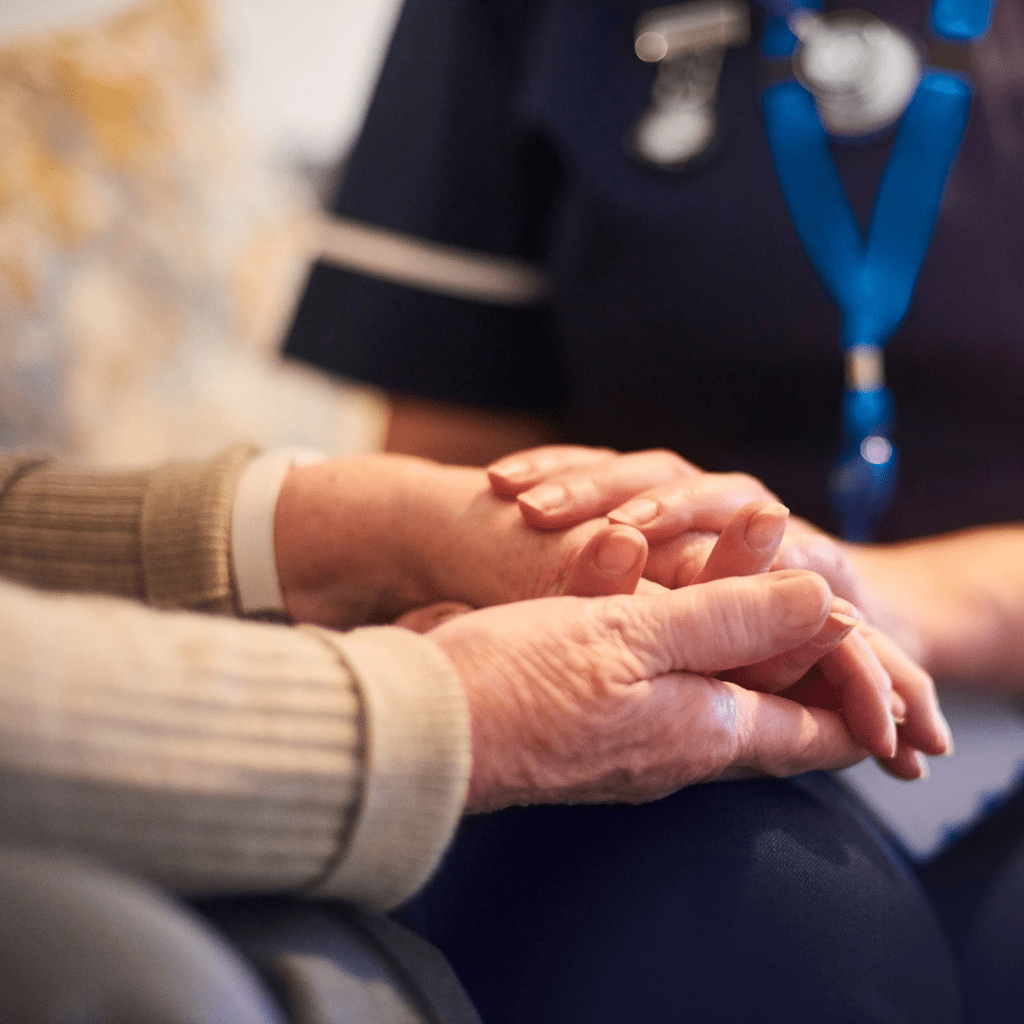
Currently, no research study has considered suicide and nursing over an extended period to establish a multi-faceted understanding of biopsychosocial factors related to suicide and mental health (Borell-Carrio, 2004). Limited understanding currently indicates that healthcare organizations should prioritize the implementation of comprehensive mental health support programs. This includes providing easy access to counseling services, promoting self-care practices, and conducting regular mental health check-ins for all staff members. Education and training on stress management and coping strategies can also equip nurses with the tools to navigate the challenges they face. Moreover, there should be a collaborative effort from policymakers, nursing associations, and healthcare institutions to advocate for improved working conditions and safer nurse-to-patient ratios. By alleviating some of the stressors inherent in the nursing profession, we can help reduce the risk of burnout and ultimately decrease the likelihood of nurses experiencing suicidal thoughts.
It is essential that we engage in open dialogue around nursing suicide and prioritize the well-being of those who dedicate their lives to caring for others. By addressing the root causes and providing the necessary support, we can work towards creating a healthier and more sustainable environment for nurses.
 RESUME UK